Summer is finally upon us, and with it comes the question of cooling down your home without breaking the bank. Maybe your electricity bill has been rising each month, and your windows could be the reason why. Your home is losing up to 30% of its heat through inefficient and outdated windows, causing the air conditioner to overcompensate for a comfortable temperature.
Energy-efficient windows offer a functional solution to this problem. They are designed to let cool air stay inside and hot air stay outside, reducing the burden on your cooling system and lowering your cooling bill. Not only will this window replacement save you money, but it will also make your home more efficient and more comfortable.
What Makes Windows Energy Efficient?
Energy-efficient windows are not just standard windows with a glitz label. They’re carefully designed with specific features that produce all of the differences in their function. Understanding these features will allow you to make an educated window replacement decision.
Advanced Glass Technology
The most important thing is the glass itself. Energy-efficient windows all have a double- or triple-pane glass with insulating gas fills between panes of glass. This stops heat transfer, preventing cool air inside your home from escaping and outside hot air from entering your home. The gas fills, usually argon or krypton, are denser than regular air and insulate much more effectively.
Low-E coatings (low-emissivity coatings) are another key energy-saving feature. They’re microscopically thin coatings that reflect heat while letting light pass through. In the summer, they bounce the heat of the sun off your home, keeping the excess heat of the sun from entering through your windows. Your air conditioner doesn’t have to work as hard, resulting in lower bills for you.
Frame Materials Are Important
The choice of material for the window frame has a significant influence on the energy efficiency of the window itself. Vinyl, fiberglass, and well-insulated wood frames prevent thermal bridging, through which heat flows through the frame itself. Poor-quality frames can undermine even the most sophisticated glass technology.
How Much Do You Really Save on Your Cooling Bill?
The savings from more efficient windows are significant, especially on hot summer days. The Department of Energy has said that homeowners can save between 7% and 24% of their yearly electric bill with more efficient windows. In most homes, this translates into yearly savings of $200 to $500.
How much you will save exactly will depend on several things:
- The condition of your existing windows
- The size of your home
- Your local climate
- Your personal habits
The greatest savings in lower cooling bills are in houses with single-pane windows or with windows over 20 years of age. In hot summer climates, the savings are even greater.
Are Your Current Windows Losing You Money?
There are several indications that your current windows are operating against your air conditioner and costing you more on your electricity bill.
Warning Signs of Inefficient Windows
Air drafts near windows are one of the most obvious signs of energy inefficiency. If you can feel air movement near your windows even with your windows shut, you’re losing cooled air and introducing hot air into the residence.
Condensation between the window panes occurs from damaged seals on double-pane glass, through which moisture penetrates. The insulating effect of the window is lost from that moment on.
Hot spots around windows signal that heat from the sun is coming in through inefficient glass. You could notice that the air conditioner is always running on sunny days, even during relatively mild outside temperatures.
Dull furniture, flooring, or window treatments close to windows indicate sunlight and harmful UV light entering your home. Heat is permeating through, and thus, sunlight too is entering.
Important Technology Behind Summer Cooling Savings
Energy-efficient windows utilize sophisticated technology to cool your residence and reduce your bills for cooling.
Spectrally Selective Coatings
These coatings reflect the heat-causing infrared light but permit visual light into the building. One can enjoy daylight without the heat gain that usually comes with it. The coatings reject up to 70% of solar heat while allowing 60% of visual light in, achieving significant savings on cooling bills.
Multiple Pane Systems
Multiple-pane systems create insulating spaces of air that slow down heat transfer. Triple-pane windows offer the best performance, but double-pane units that are well-filled with gas also produce excellent performance. The gap between panes is carefully determined in order to offer the most insulation without allowing for convection currents.
Warm-Edge Spacers
These spacers keep glass panes distinct and limit heat transfer through the periphery. Modern warm-edge spacers employ materials like plastic or foam that insulate better than traditional aluminum spacers and reduce condensation.
Selecting the Correct Energy-Efficient Windows
Not all energy-efficient windows are created equal, and the most suitable one for your window replacement project will be determined based on your specific case. Home orientation, climate, and cost all play into which features will be most beneficial.
Key Ratings to Take into Account
Solar Heat Gain Coefficient (SHGC): For hot climates, use windows with low ratings for SHGC. This number indicates the amount of solar heat that moves through the window. The lower the SHGC, the less heat will be absorbed into your home.
U-Factor: The rating determines the amount of heat transfer that is blocked through the window. The lower the U-factor, the more insulating the window is. The most suitable U-factor is 0.30 or lower for most climates.
Frame Material Issues
Effective, low-cost, and low-maintenance insulation is achieved through vinyl frames.
Fiberglass frames provide better insulating capabilities and longevity, but are more expensive.
Wood frames have a natural insulating capacity but need more maintenance for warping and rot prevention.
Orientation is Important
Your window choice should be determined based on your home’s orientation. The most sunlight is received by south-facing windows, and they will gain the most from low-E coatings and low SHGC ratings. Insulation is most needed in north-facing windows for maximum effectiveness.
Beyond Energy Savings: Additional Benefits
Though lower operating expenses are one of the primary reasons for selecting energy-efficient windows, they bring with them several other advantages that raise their value.
Increased Comfort
Energy-efficient windows reduce hot spots and drafts, achieving more uniform temperatures in your home. No longer will you have places you need to avoid during the daytime or adjust the thermostat all the time.
Noise Reduction
The multiple glass and gas fill pans that ensure thermal protection also keep outside noises out, enhancing your home’s comfort. This is especially worthwhile for those who reside near roads, airplanes, or other noisy environments.
Sun Protection
Low-E coatings stop up to 99% of destructive UV radiation, which causes fading and enhances the longevity of your furniture, flooring, and artwork. Low-E coatings can save you hundreds or thousands of dollars over the years on replacement costs.
Increased Home Value
Energy-efficient houses are more easily sold and for higher prices. Real estate agents note that energy-efficient windows rank as the most sought-after features for potential homebuyers, frequently increasing home values considerably.
Making Energy-Efficient Windows Affordable
Though energy-efficient windows are very expensive initially, there are various methods of reducing window replacement costs.
Utility Rebates
Most utility providers provide rebates for energy-efficiency upgrades, including energy-efficient windows. These rebates can be anywhere from $50 to $200 for each window, reducing your total replacement cost quite substantially. Inquire with your local utility provider regarding available programs.
Federal Tax Credits
Federal tax credits for qualifying energy-efficient windows enable you to deduct some of the expense from your federal taxes. Current tax credits at the federal level can offer huge savings in addition to utility rebates.
Strategic Timing
The spring and fall periods are normally the most suitable for installation, with more favorable weather conditions and contractors offering lower rates for off-peak periods.
Phased Replacement
If budget is a factor, phase your window replacement starting with those facing the south and west, as they contribute most towards the cost of cooling, and replace the rest of the windows in the coming years as finances permit.
Taking Action This Summer
Energy-efficient windows are the proven means of reducing cooling costs while improving your home’s comfort and worth. With increasing summer temperatures, now is the perfect time to evaluate your current windows and upgrade, if necessary.
Getting Started
Start by inspecting your existing windows for signs of inefficient performance. Check for draughts, condensation, and hot spots, which are all signs of less-than-ideal performance. Estimate your possible savings using your current cooling bills and window age.
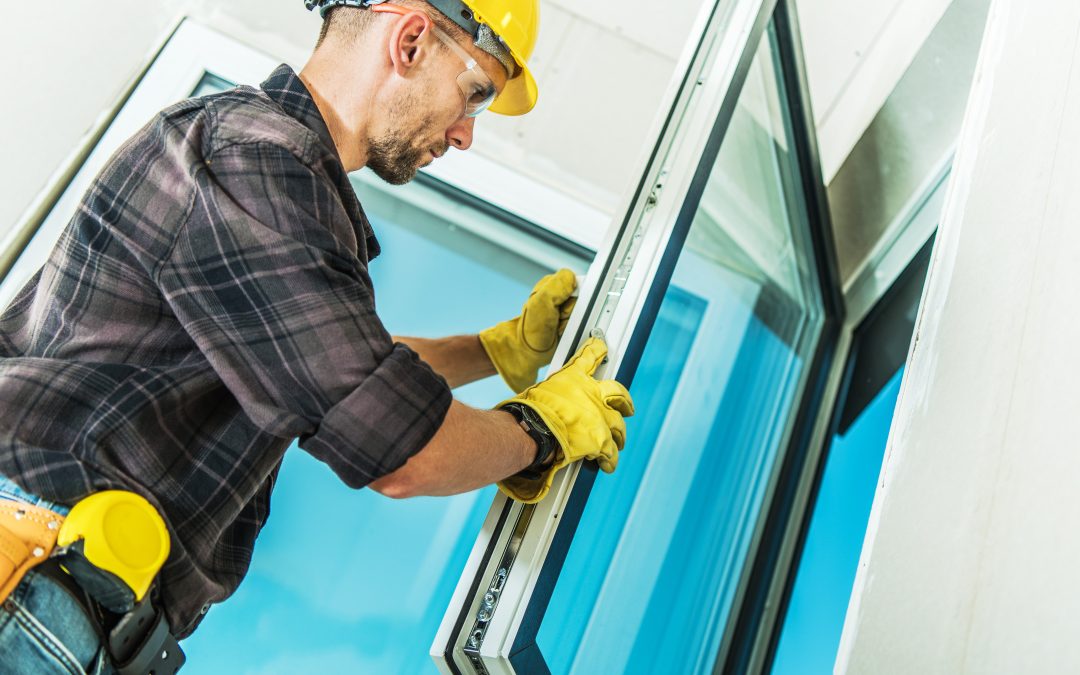
When ready, employ a qualified contractor who will assist you in choosing the most appropriate energy-efficient windows for your particular requirements and install them properly. Proper installation is important for achieving the maximum energy-saving advantages of your new windows.
Don’t spend another summer with sweltering bills and hot temperatures. Energy-efficient windows can revolutionize the efficiency of your home while putting more cash in your pocket. Your initial investment will reap dividends for decades through decreased electric bills and improved comfort. Get in touch with one of our experts today and discover more about conserving your cooling dollars with superior energy-efficient windows.