You’ve noticed water marks on your ceiling, blown-off shingles from the latest storm, or your utility bills creeping upward each month. Now you’re faced with the choice: do you fix the trouble spots, or is it time for full roof replacement? It’s a decision that’ll set you back anywhere from a few thousand to tens of thousands of dollars, and making the wrong choice will only cost you even more down the road.
Homeowners making the repair-only option when replacement is needed are paying 40% more over the course of five years than if they had replaced the roof the first time. Replacing a roof that only needs minor repairs wastes thousands on unnecessary work. The issue is recognizing what your roof is actually trying to tell you and making the right decision based on evidence, not fear or false economy.
Getting this call right preserves the structural integrity of your home, maintains the value of your property, and saves you money in the long run. Let’s break down exactly what you need to know to make the most informed decision for your situation.
Understanding the Real Cost Difference
The cost is often the homeowner’s first consideration, but understanding the true cost difference requires looking beyond the initial price tag.
Roof repairs typically range from $300 to $1,500 for small work like replacing a few shingles or patching up small leaks. More extensive repairs cost $2,000 to $7,000, depending on the extent of damage and the accessibility of your roof.
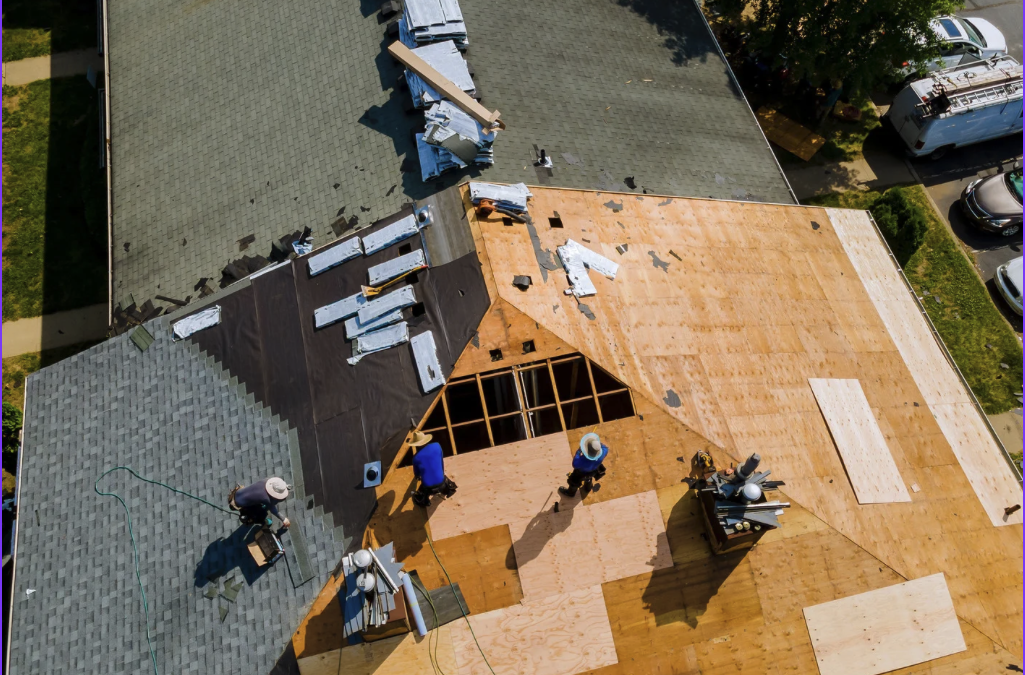
Full roof replacement is much more costly, averaging $8,000 to $25,000 for an average-sized home. The wide price range depends on your roof size, pitch, material choice, and your region’s labor costs. Quality roof replacement provides 20-50 years of protection depending on the material you select, which translates to approximately $400-$1,250 per year for complete peace of mind.
The National Roofing Contractors Association reports that homeowners attempting to extend an aging roof’s lifespan through repeated patching end up paying more over 10 years than replacement would have cost initially. Roof replacement recoups approximately 60-68% of its cost in improved home value, according to recent remodeling impact reports.
Warning Signs: Repair or Replace?
Knowing what to look for helps you make an objective decision about your roof’s condition before problems become emergencies.
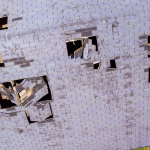
Age is the primary factor in roof replacement decisions. Asphalt shingle roofs over 20 years old are living on borrowed time, even if they appear acceptable from the ground. Missing granules, curling shingles, and widespread cracking indicate the shingles have reached the end of their protective life. Sagging areas in your roof deck signal serious structural problems that repairs can’t address. Multiple leaks in different areas suggest systemic failure rather than isolated damage. Daylight visible through the roof boards from your attic indicates significant gaps or holes in your roof deck.
Recent damage from a specific event, such as storm damage to a small section of an otherwise healthy roof, is an ideal repair candidate. If the damage is localized and your roof is relatively young (under 10-15 years), repair is typically the smarter choice. Minor leaks caught early before they cause secondary damage can often be repaired effectively.
Roofs between 15-20 years old present the toughest decisions. If you’re planning to sell within 2-3 years, strategic repairs might make sense. However, if you’re staying long term, replacement now prevents the headache of dealing with an aging roof later.
The Hidden Costs of Choosing Wrong
Making the wrong decision between repair and replacement carries consequences beyond just the immediate financial impact.
Attempting to repair a roof that truly needs replacement leads to a cascade of problems. Water continues infiltrating your home between repair attempts, damaging insulation, framing, and drywall, and creating conditions for mold growth. These secondary damages often cost more to remediate than roof replacement would have cost initially. Insurance companies may deny future claims if they determine you’ve been neglecting obvious roof replacement needs.
Unnecessary roof replacement wastes money that could be invested elsewhere in your home. However, this mistake is generally less costly long-term than choosing repair when replacement is needed.
The Professional Assessment Advantage
Getting an expert evaluation removes guesswork from your decision and provides documentation for insurance purposes.
Crown Installs conducts comprehensive evaluations that go far beyond what’s visible from the ground. Our team examines shingle condition across your entire roof, checking for granule loss, brittleness, curling, and proper sealing. We inspect all flashing around chimneys, vents, skylights, and valleys where most leaks originate. Our professional inspectors evaluate your roof decking for soft spots, water damage, or structural issues, and check attic ventilation to ensure it meets current standards.
Don’t base major roofing decisions on a single estimate. Get at least three professional assessments to ensure you’re getting consistent recommendations. Be wary of contractors who immediately recommend replacement without thoroughly examining your roof or who use high-pressure sales tactics. If storm damage is involved, have your insurance adjuster and roofing contractor inspect together when possible.
Material Choices Impact the Decision
Understanding roofing material lifespans and performance characteristics helps frame your repair-versus-replace decision.
Standard three-tab asphalt shingles last 15-20 years under ideal conditions. Architectural or dimensional shingles extend that to 25-30 years. If your asphalt roof is approaching these ages, replacement makes more sense than investing in repairs. Once you see widespread granule loss, curling edges, or cracking, the entire roof is likely in a similar condition, even where damage isn’t visible yet.
Metal roofing lasts 40-70 years and justifies more extensive repairs even on older roofs. Tile and slate roofs can last 50-100 years, though their underlayment needs replacement every 20-30 years. Wood shake roofs require regular maintenance and typically last 25-30 years.
Timing Your Roof Decision Strategically
When you address roofing issues affects both cost and convenience. Spring and fall offer ideal weather conditions for roofing work and often better contractor availability. Emergency repairs can’t wait for ideal timing, but planned replacement allows you to take advantage of seasonal pricing and contractor competition for work. Roofing material prices fluctuate based on petroleum costs, supply chain factors, and seasonal demand. During busy seasons, you’ll pay premium rates and might face scheduling delays.
Making Your Decision With Confidence
Armed with the right information and professional input, you can make a roofing decision you’ll feel good about for years to come.
Start by determining your roof’s age and condition through a professional inspection. Factor in your plans for the home over the next 5-10 years and consider your budget realistically, including financing options if needed. If your roof is over 20 years old or shows multiple signs of failure, replacement is typically the clear choice. If it’s under 10 years old with isolated damage, repair almost always makes more sense.
Many roofing contractors offer financing programs that make replacement more accessible without draining your emergency fund. Home equity lines of credit provide another financing option with potentially tax-deductible interest. The worst time to make roofing decisions is during a crisis with water pouring into your home. Planning ahead gives you control over timing, material choices, and contractor selection.
Taking Action for Your Roof
Your roof is your home’s primary defense against the elements. Whether you need repair or replacement, acting decisively protects your investment and prevents minor issues from becoming major problems.
Begin with a thorough professional inspection from at least two qualified contractors. Get detailed written estimates that specify exactly what work is recommended and why. Verify contractor licensing, insurance, and manufacturer certifications. Check their standing with the Better Business Bureau and read recent customer reviews, focusing on how they handle problems.
Don’t let price alone drive your decision between repair and replacement. Consider your roof’s age, overall condition, your long-term plans, and the true costs of each option over time. Choose contractors who take time to explain their recommendations, provide comprehensive written proposals, and stand behind their work with solid warranties covering both materials and labor.
Your roof protects everything inside your home. Making the right decision between repair and replacement ensures that protection continues effectively and economically. Contact Crown Installs today for a comprehensive roof evaluation and honest recommendations tailored to your specific situation. We’ll help you make the choice that’s truly right for your home and budget.