Every spring, homeowners take stock of what needs fixing. It might be the deck, the landscaping, or the curb appeal. But few improvements deliver as much impact as replacing your front door. A new front door doesn’t just transform how your home looks; it saves money on energy bills, eliminates the daily frustration of a door that sticks or drafts, and protects your home heading into storm season. If you’ve been putting it off, spring is the time to get it done.
Why Spring Is the Best Season for Front Door Replacement
Spring isn’t just the most comfortable time of year; it’s strategically the smartest window for door replacement.
Mild temperatures make installation easier. Replacing a front door means opening your home to the outside for a stretch of time. Comfortable spring temperatures make that process easier for everyone involved.
You’ll beat the summer rush. Contractor availability tightens fast as the season heats up. Scheduling in spring means shorter wait times and a faster project start.
Protect your home before storm season. Summer brings humidity, heat, and severe weather. A worn-out door with failing weatherstripping won’t hold up. Installing in the spring ensures your home is protected before conditions get demanding.
Better light helps you choose the right color. Natural spring light is far more accurate for evaluating door colors than the flat grey skies of winter. What looks right in March will actually look right in July.
Signs Your Front Door Needs Replacing
Your door has been giving you signals. Here are the ones homeowners most commonly dismiss as minor issues, until they’re no longer minor.
- Drafts around the door frame or threshold. If you feel cold air when the door is locked, the weatherstripping has failed, either from age or because the frame has shifted.
- The door sticks, drags, or is hard to open. Wood doors warp and swell in humid conditions. If you’re lifting the handle at an angle just to get it open, the door has structurally changed and won’t improve on its own.
- Visible damage, rot, or rust. Soft spots in wood framing, surface rust on steel, or cracks in fiberglass panels all indicate moisture intrusion. Once moisture gets in, deterioration accelerates.
- Creeping energy bills. An inefficient door contributes to heat loss and gain. A new, well-insulated door can recover some of that cost.
- It simply looks outdated. A functional door that no longer suits your updated exterior is still worth replacing because first impressions matter.
Choosing the Right Material for Your New Door
Selecting the right material is the most important decision you’ll make in the replacement process. Don’t just default to the same material as your old door; this is your opportunity to upgrade.
Steel Doors Steel is the most popular entry door material for good reason. It’s strong, low-maintenance, and typically the most budget-friendly option. Modern steel doors come pre-primed for painting and feature polyurethane foam cores for solid thermal performance. They’re highly resistant to warping and denting under normal use.
Best for: Homeowners who want the best combination of security, low maintenance, and value.
Fiberglass Doors Fiberglass has grown in popularity because it delivers the look of real wood without the upkeep. A quality fiberglass door can be stained to mimic mahogany, oak, or other fine woods, and it won’t rot, warp, or swell regardless of the weather. Fiberglass doors also tend to have excellent R-values, sometimes outperforming steel.
Best for: Those who want the aesthetic of a fine wood door without the maintenance demands, or homeowners in humid climates where wood tends to warp.
Wood Doors Nothing replicates the warmth and sophistication of a solid wood door. It’s a genuinely beautiful addition to the right home. The tradeoff is real: wood requires painting or re-staining every few years, demands vigilance against moisture, and shifts with seasonal temperature swings. It’s a commitment.
Best for: Historical homes, craftsman-style architecture, or homeowners willing to invest in the upkeep of a natural material.
Glass Options: Sidelights and Decorative Inserts. Adding sidelights transforms an entryway, providing more natural light, more curb appeal, and more visual character. Decorative glass inserts in the door itself add style while giving you control over privacy levels. For energy-conscious homeowners, look for ENERGY STAR-certified glass with low-E coatings, which significantly reduce heat transfer compared to standard single-pane glass.
The Curb Appeal Payoff
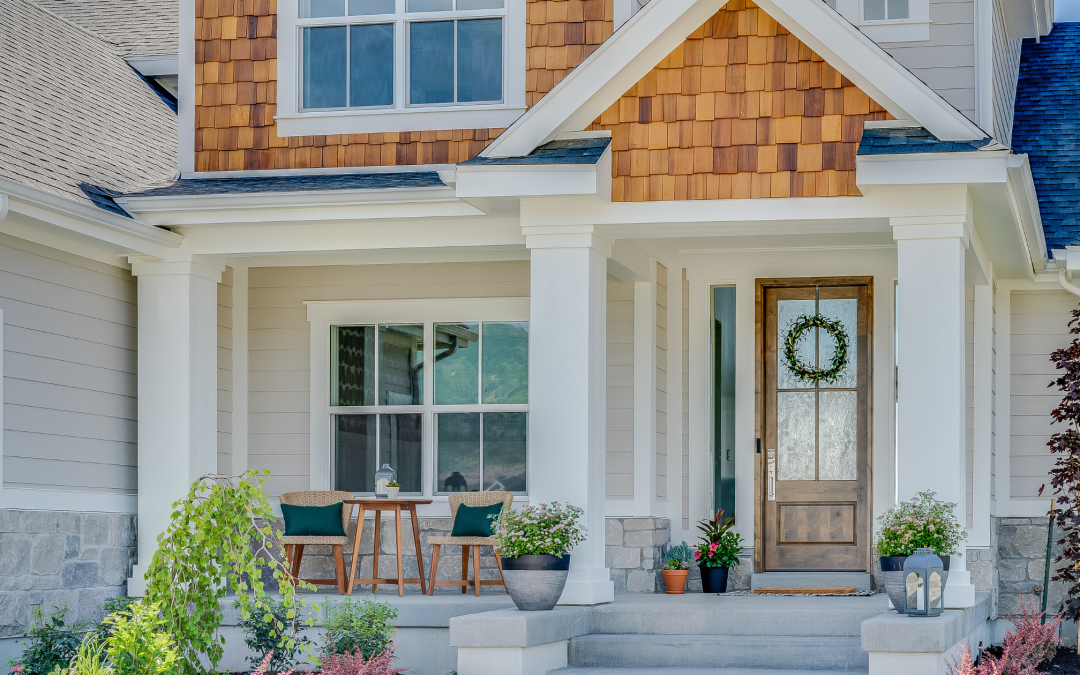
Your front door is the centerpiece of your home’s exterior. Real estate professionals consistently rank front door replacement among the highest-ROI exterior improvements a homeowner can make, both before a sale and simply for the enjoyment of living there.
Color matters more than most people realize. Bold choices such as navy, forest green, deep red, matte black, convey confidence and personality without overwhelming the rest of the facade. Softer tones like sage, warm gray, or cream work beautifully with traditional home styles. Your installer can help you match the door color to your existing siding, trim, and roofline.
Hardware is what ties the whole look together. A new handle, deadbolt, door knocker, and house numbers are modest investments that make a disproportionate visual difference. Matte black, brushed nickel, satin brass, and aged bronze are all popular finishes that read as high-end with minimal upkeep.
As for return on investment, Remodeling Magazine’s annual Cost vs. Value report consistently ranks steel entry door replacement among the top ROI-generating home improvements. A new front door is the first thing a potential buyer touches, and the first signal of the care you’ve put into the rest of the home.
Energy Efficiency Gains You Can Measure
Your old door may be costing you more than you realize. Energy performance should be part of your decision-making from the start, not an afterthought.
Look for the ENERGY STAR label. ENERGY STAR certification means the door has been independently tested to meet strict efficiency standards. In hot climates, that means less work for your air conditioner. In cold climates, it means warm air stays where it belongs.
Understand R-value and U-factor. R-value measures resistance to heat flow, and the higher the R-value, the better. Most modern exterior doors use polyurethane foam insulation, which delivers significantly better R-values than older solid-core construction. Ask your installer about the R-value ratings of the doors you’re considering.
Don’t overlook the threshold and weatherstripping. Even the most efficient door won’t perform well if the threshold sweep and weatherstripping aren’t properly installed and fully compressed. These details matter.
Replace the frame if it’s compromised. If your current frame shows signs of rot, shifting, or damage, replace it along with the door. A new door hung in a damaged frame will never operate as designed, and you won’t see the energy savings you’re expecting.
What to Expect from a Professional Installation
A standard door replacement, without sidelights, typically takes two to four hours. That includes removing the old door and frame if necessary, installing the new unit, trimming the exterior, and ensuring lock hardware is correctly aligned. More complex installations may take a full day.
If you’re considering DIY, it’s worth understanding what can go wrong. An improperly leveled frame causes the door to swing open or shut on its own. A poorly sealed threshold lets in water, insects, and cold air. Incorrect shimming leads to hinge alignment problems that compound over time.
Professional installation comes with a workmanship warranty. If the door doesn’t latch properly or the seal isn’t tight, you have recourse. That accountability is a significant part of what you’re paying for, and a significant part of the investment’s long-term value.
Ready to Replace? Book Before the Summer Rush
The window is narrow. Contractor schedules fill quickly, custom door lead times grow longer as the season progresses, and every week you wait is another week with a door that’s uncomfortable, inefficient, or both.
At Crown Installs, our experts will help you find the right door for your home, your lifestyle, and your budget. We offer free in-home consultations, so you know exactly what you’re getting before installation begins. Contact Crown Installs today to schedule yours before the summer rush takes over.
Frequently Asked Questions
What’s the best time of year to replace a front door? Spring. It lets you enjoy the benefits through summer while protecting your home before storm season arrives.
How long does door replacement take? Most standard entry door replacements take two to four hours. More involved installations can take a full day.
Is a new front door worth the investment? Yes. Door replacement consistently ranks among the top ROI home improvement projects. According to Remodeling Magazine’s Cost vs. Value report, it regularly places in the top five for return as a percentage of total cost.
Steel vs. fiberglass — which is better? Both are excellent choices. Steel is more cost-effective and has lower maintenance. Fiberglass offers a more realistic wood appearance, better insulation, and superior performance in humid conditions. A Crown Installs consultant can help you decide.How much does it cost? Cost depends on material, size, glass package, and whether a new frame is needed. Crown Installs provides free in-home consultations with a quote specific to your project.