You’ve noticed water stains on your ceiling near the bathroom, mysterious leaks that appear during rain but seem to have no source, or dark spots forming around the vent pipes in your attic. You’ve checked your roof shingles, and they look fine, inspected your flashing, and still can’t figure out where the water is coming from. The culprit might be something most homeowners have never heard of: plumbing boots.
These small but critical roof components fail on thousands of homes every year, causing water damage that averages $2,500 to $5,000 to repair. The irony is that replacing a worn plumbing boot costs only $200-$400 when caught early. Most homeowners are unaware of these components until they fail, by which time water has already damaged the ceiling drywall, attic insulation, and potentially even the structural framing.
Understanding what plumbing boots are, how they fail, and when to replace them protects your home from preventable water damage and saves you thousands in unnecessary repairs. Let’s break down everything you need to know about these essential but often overlooked roof components.
What Are Plumbing Boots?
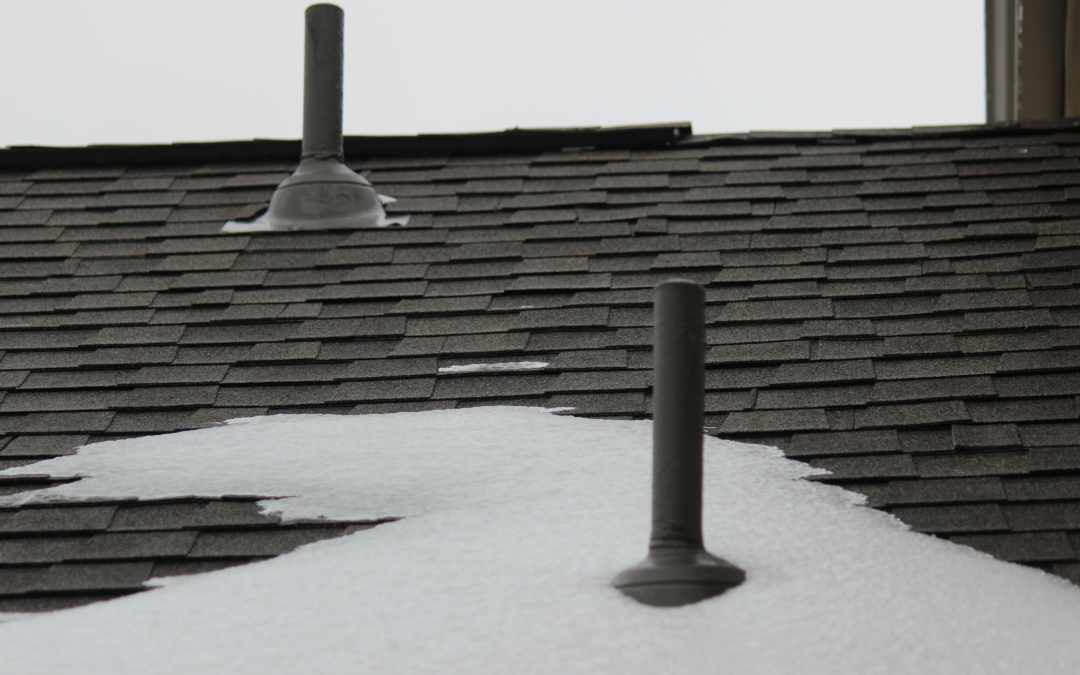
Plumbing boots, also known asd pipe boots, roof boots, or vent pipe boots, are protective seals that cover the gaps where plumbing vent pipes penetrate the roof. Every home has multiple vent pipes that extend through the roof to allow sewer gases to escape and maintain proper pressure in your plumbing system.
These pipes create holes in your roof that would otherwise allow water infiltration. Plumbing boots seal these penetrations, creating a watertight barrier between the pipe and your roof deck. They consist of two main parts: a base flange that sits flat against your roof and integrates with your shingles, and a flexible collar or sleeve that wraps around the pipe itself.
Most plumbing boots are made from rubber, neoprene, or EPDM materials, though some higher-end versions use lead or aluminum. The rubber varieties are most common on residential roofs due to their affordability and ease of installation. The flexible collar allows the boot to accommodate slight pipe movement caused by temperature changes while maintaining a weathertight seal.
Your home typically has 2-4 plumbing boots, depending on the number of bathrooms and the layout of your plumbing system. They’re usually located on the back slope of your roof away from street view, which is one reason they often go unnoticed until problems develop.
Why Plumbing Boots Fail
Understanding why plumbing boots deteriorate helps explain why regular inspection and timely replacement are so important.
UV exposure is the primary enemy of rubber plumbing boots. The sun’s ultraviolet rays break down rubber compounds over time, causing the material to harden, crack, and lose flexibility. This process accelerates on south-facing roof slopes that receive maximum sun exposure throughout the day. Even high-quality rubber boots typically last only 10-15 years before UV damage compromises their integrity.
Temperature extremes accelerate deterioration. The rubber expands in summer heat and contracts in winter cold, creating stress that eventually leads to cracking. This is particularly problematic in regions with significant temperature variations between seasons. The constant expansion and contraction cycle causes fatigue in the rubber material, similar to how repeatedly bending a paper clip eventually causes it to break.
Weather exposure compounds these problems. Rain, snow, ice, and wind all take their toll on plumbing boots. Ice dams that form around pipes can tear the boot material. Wind-driven rain tests any weakness in the seal. Debris that accumulates around pipes can trap moisture against the rubber, accelerating rot and deterioration.
Age is the ultimate factor. Even without visible damage, rubber plumbing boots should be replaced every 10-15 years as preventive maintenance. Boots that look acceptable from ground level may have hidden cracks on the pipe collar that aren’t visible without close inspection. By the time deterioration is obvious from the ground, water damage has likely already begun.
Warning Signs Your Plumbing Boots Need Replacement
Recognizing the early signs of plumbing boot failure allows you to address problems before significant water damage occurs.
Visible cracks in the rubber collar are the most obvious warning sign. These typically appear first at the top of the boot, where the rubber wraps around the pipe and receives maximum UV exposure. Small cracks quickly expand during freeze-thaw cycles, allowing water to seep through.
Missing or torn sections of rubber indicate advanced deterioration. If you can see gaps between the boot and the pipe, water is definitely entering your home during rain events. This level of damage requires immediate replacement to prevent ongoing water infiltration.
Water stains on attic decking or insulation near vent pipes signal that leaks are already occurring. Even minor staining indicates water penetration that will worsen with every rain. Brown or dark stains on ceiling surfaces below plumbing vents are clear indicators of boot failure and water damage.
Hardened or brittle rubber that’s lost its flexibility can’t maintain a proper seal. Rubber that feels stiff or crumbles when touched has deteriorated beyond its useful life. This often happens before visible cracks appear, making physical inspection important even when boots look intact from a distance.
Loose boots that move or shift indicate the base flange has separated from the roof deck or the sealant has failed. A properly installed boot should be firmly attached with no movement. Any shifting compromises the waterproof seal.
The Hidden Costs of Delayed Replacement
Postponing plumbing boot replacement to save money in the short term typically results in much higher costs when water damage accumulates.
Water damage to attic insulation reduces your home’s energy efficiency and requires costly replacement. Wet insulation loses its R-value and can compress, further reducing its effectiveness. Replacing water-damaged insulation costs $1,000-$3,000, depending on attic size and insulation type.
Ceiling damage from leaks requires drywall repair, repainting, and potentially texture matching. What starts as a small stain can expand into large areas of damaged drywall that need complete replacement. Professional drywall repair and painting typically costs $500-$1,500 per affected area.
Structural wood damage is the most serious consequence. Water infiltration around vent pipes can rot roof decking, rafters, and ceiling joists. Structural repairs require replacing damaged wood before addressing cosmetic damage, adding thousands to repair costs. Extensive wood rot may necessitate permits and structural engineering evaluation.
Mold growth in attics and wall cavities poses health risks and requires professional remediation. Once mold establishes itself in hidden areas, simple repairs become complex remediation projects costing $2,000-$6,000 or more, depending on the extent of contamination.
When to Replace Plumbing Boots
Knowing the right time for replacement helps you avoid both premature replacement and delayed action, which can cause damage.
Age-based replacement at 10-15 years is the most reliable preventive approach. If your roof is approaching or exceeding 10 years old and the original plumbing boots have never been replaced, replacement should be on your maintenance schedule. This proactive approach prevents leaks before they start.
During roof replacement is the ideal time for boot replacement. If you’re getting a new roof, replacing all plumbing boots should be part of the project. The cost is minimal when the surrounding shingles are already being replaced, and it ensures all roof penetrations have fresh seals matching your new roof’s lifespan.
After severe weather events, boots should be inspected for damage. Hail can crack rubber boots. High winds can loosen or tear them. Ice storms can damage the collar section. Post-storm inspections catch damage before it causes interior water problems.
When visible deterioration appears, immediate replacement is necessary. Don’t wait; once you’ve identified cracks, tears, or hardened rubber. The damage will only worsen, and every rain event risks additional water intrusion and interior damage.
The Professional Inspection Advantage
Professional roof inspections identify plumbing boot problems that homeowners often miss from ground level.
Crown Installs conducts thorough roof inspections that include close examination of all plumbing boots. Our team accesses your roof safely to inspect boots up close, checking for cracks, hardening, and proper seal integrity. We document boot condition with photos and provide clear recommendations about which boots need immediate replacement versus which can wait.
Our inspectors evaluate not just the visible condition but also the boot’s age and expected remaining service life. We can identify boots that appear acceptable but are due for replacement based on age, preventing unexpected failures. This comprehensive approach helps you plan maintenance rather than react to emergencies.
For boots showing early signs of failure, we explain the progression you can expect and help you prioritize replacement timing. Some boots need immediate attention while others can be monitored and replaced during your next planned maintenance cycle. Crown Installs provides an honest assessment that helps you make informed decisions about protecting your home.
Professional Replacement vs. DIY Attempts
While plumbing boot replacement might seem straightforward, professional installation ensures long-lasting, leak-free results.
Proper boot replacement requires removing and reinstalling surrounding shingles to integrate the new boot’s base flange correctly. DIY attempts often result in boots that aren’t properly sealed beneath shingles, creating new leak paths. Professional roofers understand proper flashing techniques and shingle integration that ensure watertight installations.
Selecting the correct boot size and type for your specific pipe and roof configuration is critical. Using an incorrect boot or improper sealants leads to premature failure. Crown Installs uses manufacturer-recommended boots and installation methods that provide maximum longevity.
Safety is another consideration. Roof work involves fall risks that professionals are equipped and trained to manage. Homeowners attempting boot replacement risk injury from falls or ladder accidents. Professional installation eliminates these safety concerns while ensuring proper results.
Taking Action to Protect Your Home
Plumbing boots are small components that play a crucial role in protecting your home from water damage. Regular inspection and timely replacement prevent the costly consequences of boot failure.
Crown Installs makes plumbing boot inspection and replacement straightforward. Our comprehensive roof inspections identify boot condition along with other potential roof issues. We provide clear documentation of what we find and straightforward recommendations for addressing problems.
Don’t wait for water stains to appear before checking your plumbing boots. Crown Installs offers thorough roof assessments that catch boot deterioration before it causes interior damage. We can replace failing boots quickly and affordably, often as part of routine roof maintenance.
If your roof is 10 years or older and plumbing boots have never been replaced, schedule an inspection now. If you’ve noticed any water stains near vent pipes or in your attic, immediate inspection is essential to prevent further damage.
Contact Crown Installs today for a comprehensive roof inspection that includes a detailed evaluation of all plumbing boots and roof penetrations. Our experienced team will identify any concerns, explain our findings clearly, and provide solutions that fit your budget and timeline. We’ll help you protect your home from preventable water damage with proactive maintenance. Schedule your inspection with Crown Installs now. A small investment in boot replacement today prevents thousands in water damage repairs tomorrow.